

Diabetic Retinopathy vs. Diabetic Macular Edema: Key Differences

Diabetic Retinopathy vs. Diabetic Macular Edema: Key Differences
Diabetes can affect many parts of the body, including the eyes. Two common diabetic eye conditions are diabetic retinopathy and diabetic macular edema. While they are closely related, they are not the same. Understanding the difference can help patients know why routine diabetic eye exams are so important for protecting long-term vision.
What Is Diabetic Retinopathy?
Diabetic retinopathy is an eye disease caused by damage to the blood vessels in the retina. The retina is the light-sensitive tissue at the back of the eye that helps send visual information to the brain.
When blood sugar levels remain high over time, the small retinal blood vessels can weaken, leak, swell, or close off. In more advanced stages, abnormal new blood vessels may grow, increasing the risk of bleeding, scarring, and vision loss.
Diabetic retinopathy may not cause noticeable symptoms at first, which is why regular eye exams are essential for people with diabetes.
What Is Diabetic Macular Edema?
Diabetic macular edema, often called DME, is a complication of diabetic retinopathy. It happens when fluid leaks into the macula, the central part of the retina responsible for sharp, detailed vision.
The macula helps with activities like reading, driving, recognizing faces, and seeing fine details. When it becomes swollen, vision can become blurry or distorted. DME can occur at any stage of diabetic retinopathy, and it is one of the leading causes of vision problems in people with diabetic eye disease.
The Main Difference Between the Two
The key difference is that diabetic retinopathy affects the retinal blood vessels, while diabetic macular edema affects the macula due to fluid buildup.
Diabetic retinopathy is the broader disease process. Diabetic macular edema is a specific complication that can develop when leaking blood vessels cause swelling in the central retina. A patient can have diabetic retinopathy without DME, but DME usually develops because diabetic retinopathy is already present.
Symptoms to Watch For
Both conditions can progress silently in the early stages. When symptoms do appear, they may include:
• Blurry or fluctuating vision
• Dark spots or floaters
• Distorted central vision
• Trouble reading or seeing fine details
• Colors appearing faded or washed out
• Vision loss in one or both eyes
Any sudden change in vision should be evaluated promptly, especially for patients with diabetes.
The Importance of Early Detection
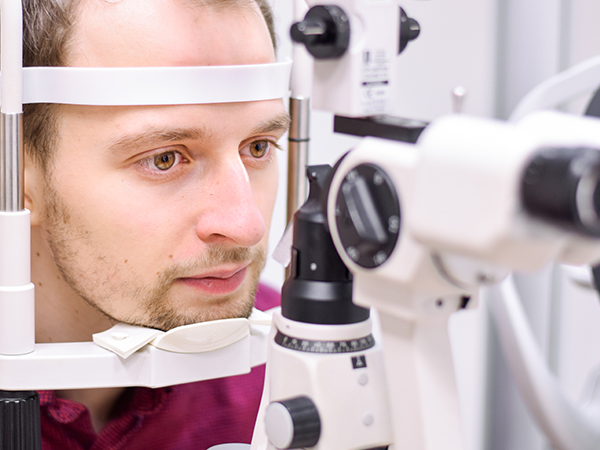
Diabetic eye disease is often more manageable when it is found early. A comprehensive diabetic eye exam allows our ophthalmologist to look closely at the retina and macula for signs of leaking blood vessels, swelling, bleeding, or other changes.
Early diagnosis can help guide treatment before vision loss becomes more serious. Depending on the condition and severity, treatment may include monitoring, injections, laser therapy, or other retina-focused care.
Protecting Your Vision with Diabetes
Managing blood sugar, blood pressure, and cholesterol can help lower the risk of diabetic eye complications. However, even patients who feel their diabetes is well controlled still need routine eye exams. Diabetic retinopathy and diabetic macular edema can develop before vision changes are obvious.
Schedule an eye exam with Amirikia Eye Center to check for early signs of diabetic retinopathy, diabetic macular edema, and other diabetes-related vision changes before they become more serious. Visit our office in Pontiac, Michigan, or call (248) 858-2220 to book an appointment today.
Quick Links
All Eye
Care Services

Keep
In Touch
MAP
Powered by: 