

Do I Have Cataracts? Early Signs and When to Seek Care

Cataracts are one of the most common eye conditions, especially as we age - but many people don’t realize they’re developing them until vision problems begin to interfere with daily life. Because cataracts often progress slowly, early signs are easy to dismiss or chalk up to “normal aging.” Understanding the warning signs and knowing when to seek care can help protect your vision and maintain your quality of life.
What Are Cataracts?
A cataract occurs when the normally clear lens of the eye becomes cloudy. This clouding prevents light from passing through the lens properly, leading to blurry or distorted vision. Cataracts can develop in one or both eyes and typically worsen over time if left untreated.
Early Signs of Cataracts You Shouldn’t Ignore
Cataract symptoms often start subtly. Some of the most common early signs include:
Blurry or cloudy vision that doesn’t improve with new glasses or contact lenses
Increased sensitivity to light or glare, especially when driving at night
Halos around lights, such as headlights or streetlights
Fading or yellowing of colors, making them appear dull or less vibrant
Frequent prescription changes without noticeable improvement in vision
Difficulty seeing at night or in low-light conditions
Because these symptoms can overlap with other eye conditions, a comprehensive eye exam is the only way to determine whether cataracts are the cause.
Who Is at Higher Risk for Cataracts?
While aging is the most significant risk factor, cataracts can also be influenced by:
Diabetes or other systemic health conditions
Long-term exposure to UV sunlight
Smoking
Prolonged use of certain medications, such as steroids
Previous eye injuries or surgeries
Even if you’re not experiencing symptoms, these risk factors make routine eye exams especially important.
When Should You Seek Care?
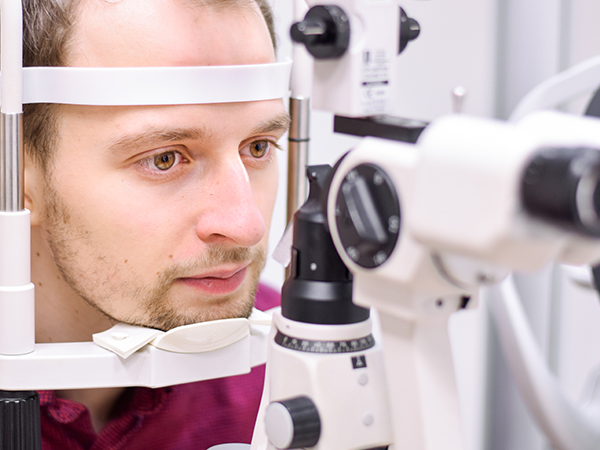
You should schedule an eye exam if vision changes begin to affect your ability to drive, read, work, or enjoy everyday activities. However, waiting for symptoms isn’t always the best approach. Cataracts often develop before noticeable vision loss occurs, and early detection allows your eye doctor to monitor progression and recommend the right timing for treatment.
Routine eye exams are essential because they can identify cataracts long before they interfere with your vision. Early diagnosis ensures you receive personalized guidance and avoid unnecessary vision loss.
How Cataracts Are Managed
In the early stages, updated prescriptions, brighter lighting, or anti-glare lenses may help manage symptoms. When cataracts progress and begin to significantly impact daily life, cataract surgery may be recommended. This procedure is safe, effective, and one of the most commonly performed surgeries in the world, restoring clear vision for millions of patients each year.
Protect Your Vision with Proactive Eye Care
Cataracts don’t have to catch you by surprise. Regular eye exams play a critical role in early detection, ongoing monitoring, and long-term eye health. By staying proactive, you give yourself the best chance to preserve clear, comfortable vision at every stage of life.
If you’re experiencing vision changes or have concerns about cataracts, Amirikia Eye Center is here to help. Schedule an eye exam to detect eye conditions early and protect your long-term vision. Visit our office in Pontiac, Michigan, or call (248) 858-2220 to book an appointment today.
Quick Links
All Eye
Care Services

Keep
In Touch
MAP
Powered by: 