

Making Sense of Your Glaucoma Follow-Up Tests in Pontiac
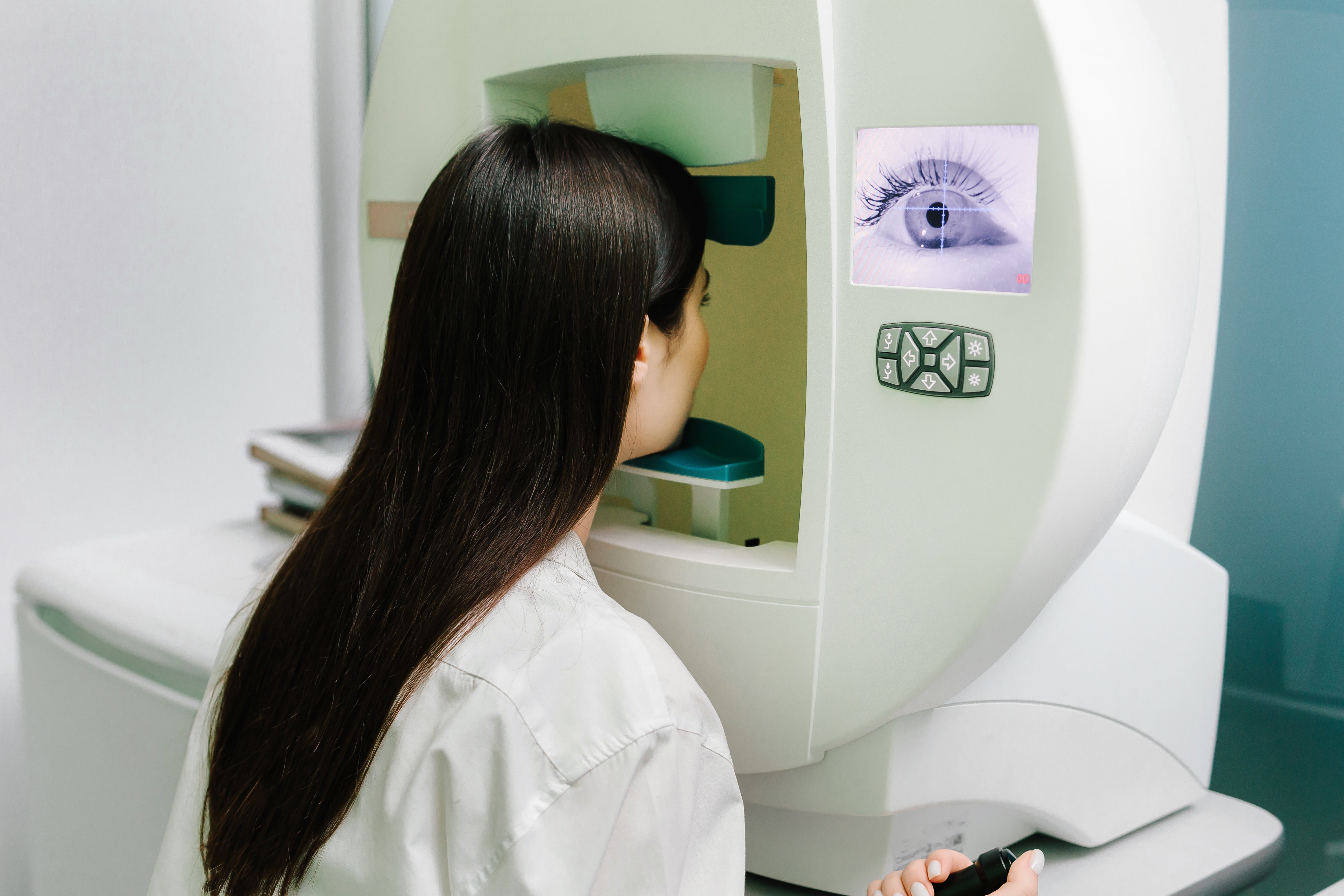
Glaucoma follow-up appointments can involve numbers, scans, and charts that are difficult to interpret on your own. Whether you have glaucoma or are being monitored for possible signs, understanding what each test measures can make your visits more productive. At Amirikia Eye Center in Pontiac, MI, we focus on how your eye health changes over time, not just the results of one appointment.
Why Follow-Up Testing Matters
Glaucoma can damage the optic nerve, which carries visual information from the eye to the brain. This damage often develops gradually, and many people do not notice changes in their vision at first. Regular glaucoma monitoring helps us evaluate whether the condition appears stable or needs closer attention.
Eye pressure is an important part of that assessment, but it cannot tell us everything. Some people have glaucoma despite pressures in the typical range. Others may have elevated pressure without measurable optic nerve damage. We consider multiple findings together before discussing the next steps.
What Your Glaucoma Tests Tell Us
Depending on your history and previous results, your glaucoma follow-up may involve several assessments:
- Eye Pressure Measurement (Tonometry): Measures pressure inside the eye. We compare the result with earlier readings and your individualized pressure goal, when one has been established.
- Visual Field Testing: Checks how well you detect lights in different areas of your vision, including peripheral vision. Repeating the test helps us look for changes that may not be noticeable in daily activities.
- Optic Nerve Imaging and OCT: Detailed images and scans can help assess the optic nerve and nearby nerve fiber layers. Comparing images over time may reveal structural changes.
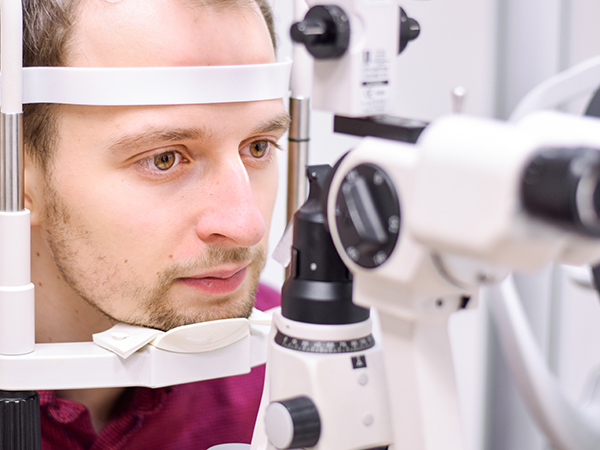
- Eye Examination and Additional Measurements: We may examine the optic nerve directly or assess corneal thickness or the eye's drainage angle when indicated. These findings add context to pressure readings and other test results.
Why One Unusual Result May Not Tell the Whole Story
A visual field test can be affected by fatigue, concentration, or the way the test was performed. Imaging measurements can also vary slightly between visits. One unexpected finding does not always mean glaucoma has progressed.
We review changes alongside previous results, eye pressure readings, and the appearance of the optic nerve. Sometimes repeating a test helps clarify whether a change is consistent. Our goal is to identify meaningful trends and explain what they may mean for your care.
How to Prepare for Your Next Appointment
Bring a list of your current medications, including any prescribed eye drops. Tell us about discomfort, side effects, missed doses, or difficulties following your treatment plan. Mention changes in your vision and any questions about past results. These details can help us interpret your tests and discuss next steps.
You can also ask how your current results compare with earlier visits and when you should return. Follow-up timing depends on your findings and overall risk, so it may differ from another patient's schedule. Do not change prescribed treatment without discussing it with your eye doctor.
If you are due for glaucoma monitoring, schedule your follow-up with Amirikia Eye Center in Pontiac, MI. Call (248) 858-2220 to make an appointment and get clear answers about your eye health.
Quick Links
All Eye
Care Services

Keep
In Touch
MAP
Powered by: 